Revolving Doors For Lebanese Properties
Revolving doors are a common sight in many commercial and residential buildings in Lebanon, and for good reason. They provide a convenient and energy-efficient way to enter and exit a building, while also helping to reduce heat loss and noise pollution. In fact, revolving doors can help reduce energy consumption by up to 30% compared to traditional swing doors.
As a property owner or facility manager in Lebanon, it is essential to consider the type of entrance system that best suits your building’s needs. With the increasing demand for energy-efficient and secure entrance solutions, revolving doors have become a popular choice for many property owners. In this article, we will explore the benefits and types of revolving doors, and provide guidance on how to choose the right one for your property.
What Are Revolving Doors?
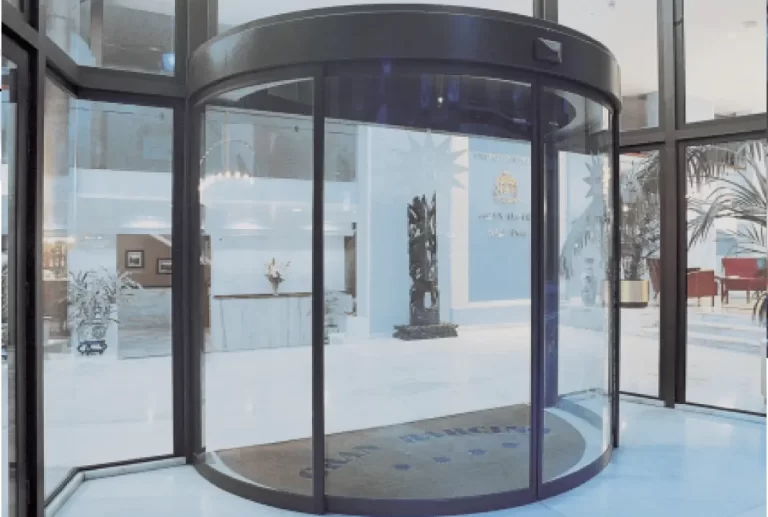
Revolving doors are a type of entrance system that consists of a rotating door that allows people to enter and exit a building. They are typically made of glass or metal and are designed to provide a smooth and efficient flow of traffic. Revolving doors are commonly used in commercial buildings, such as office buildings, hotels, and shopping centers, but they can also be used in residential buildings.
One of the main benefits of revolving doors is that they can help to reduce energy consumption. By providing a tight seal between the inside and outside of the building, revolving doors can help to prevent heat loss and reduce the need for heating and cooling systems. This can lead to significant energy savings and a reduction in utility bills.
Benefits of Revolving Doors
Revolving doors offer several benefits, including energy efficiency, reduced noise pollution, and improved security. They can also help to reduce the risk of accidents and injuries by providing a smooth and controlled flow of traffic.
Types of Revolving Doors
There are several types of revolving doors available, each with its own unique features and benefits. Some of the most common types of revolving doors include three-wing, four-wing, and security revolving doors. Three-wing revolving doors are the most common type and are typically used in commercial buildings. Four-wing revolving doors are similar to three-wing doors but have an additional wing that provides extra security and energy efficiency.
Security revolving doors are designed to provide an additional level of security and are typically used in high-security buildings such as government offices and financial institutions. These doors are designed to prevent unauthorized access and can be equipped with features such as biometric authentication and alarm systems.
When choosing a revolving door, it is essential to consider the specific needs of your building and the type of traffic that will be using the door.
Security Features of Revolving Doors
Revolving doors can be equipped with a range of security features to provide an additional level of protection for your building. Some of the most common security features include access control systems, alarm systems, and biometric authentication. Access control systems can be used to control who has access to the building and can be integrated with other security systems such as CCTV cameras and motion detectors.
Alarm systems can be used to detect and deter intruders, and can be equipped with features such as motion detectors and glass break sensors. Biometric authentication systems use unique physical characteristics such as fingerprints or facial recognition to verify the identity of individuals attempting to enter the building.
Certifications and Compliance
Revolving doors must comply with a range of certifications and regulations, including safety and accessibility standards. In Lebanon, revolving doors must comply with the Lebanese Standards and Specifications for Buildings, which sets out requirements for safety, accessibility, and energy efficiency.
It is essential to ensure that your revolving door complies with all relevant certifications and regulations to avoid any potential risks or liabilities. This can include ensuring that the door is installed and maintained correctly, and that it is regularly inspected and tested to ensure that it is functioning properly.
Meets international safety and accessibility standards
Installation and Maintenance
Revolving doors require regular maintenance to ensure that they are functioning properly and safely. This can include cleaning and lubricating the door’s moving parts, checking the door’s alignment and balance, and replacing any worn or damaged components.
It is also essential to ensure that the door is installed correctly, as improper installation can lead to a range of problems, including safety hazards and reduced energy efficiency. A professional installation team can ensure that the door is installed correctly and that it meets all relevant certifications and regulations.
Our team of trained and certified technicians can provide expert installation and maintenance services for your revolving door.
Frequently Asked Questions
Revolving doors are a complex system, and it is natural to have questions about their installation, maintenance, and operation. In this section, we will answer some of the most frequently asked questions about revolving doors.
One of the most common questions about revolving doors is how they can be used to improve energy efficiency. Revolving doors can help to reduce energy consumption by providing a tight seal between the inside and outside of the building, which can help to prevent heat loss and reduce the need for heating and cooling systems.
It is essential to ensure that your revolving door is installed and maintained correctly to avoid any potential risks or liabilities.
Case Studies and Examples
Revolving doors have been used in a range of buildings and applications, from commercial offices and hotels to residential buildings and shopping centers. In this section, we will look at some case studies and examples of revolving doors in use.
One example of a successful revolving door installation is a commercial office building in Beirut, where a three-wing revolving door was installed to provide a secure and energy-efficient entrance system. The door was equipped with access control systems and alarm systems, and was designed to meet the specific needs of the building and its occupants.
Commercial Offices
Revolving doors are commonly used in commercial offices to provide a secure and energy-efficient entrance system.
Hotels
Revolving doors are often used in hotels to provide a convenient and secure entrance system for guests.
Residential Buildings
Revolving doors can be used in residential buildings to provide a secure and energy-efficient entrance system for residents.
Conclusion
Revolving doors are a popular choice for many property owners in Lebanon, and for good reason. They provide a convenient and energy-efficient way to enter and exit a building, while also helping to reduce heat loss and noise pollution. By considering the specific needs of your building and the type of traffic that will be using the door, you can choose the right revolving door for your property.
FAQs
Revolving doors provide a convenient and energy-efficient way to enter and exit a building, while also helping to reduce heat loss and noise pollution. They can also help to improve security and reduce the risk of accidents and injuries.
There are several types of revolving doors available, including three-wing, four-wing, and security revolving doors. Each type has its own unique features and benefits, and can be used in a range of applications.
Revolving doors can be equipped with a range of security features, including access control systems, alarm systems, and biometric authentication. These features can help to provide an additional level of protection for your building and its occupants.
Revolving doors should be regularly maintained to ensure that they are functioning properly and safely. This can include cleaning and lubricating the door’s moving parts, checking the door’s alignment and balance, and replacing any worn or damaged components.
Yes, revolving doors can be used in residential buildings to provide a secure and energy-efficient entrance system for residents. They can be equipped with a range of security features, including access control systems and alarm systems, and can be designed to meet the specific needs of the building and its occupants.
Contact Us
Contact ZOD Entrance today for a free site visit and entrance systems consultation.